







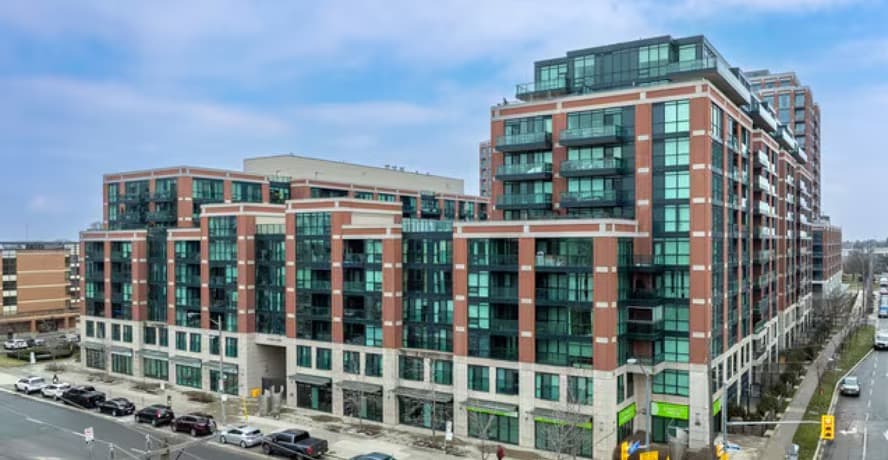
If you have felt like landlords are suddenly a little more willing to talk, you are not imagining it. In the Toronto rental market fall 2026 renters can negotiate in a way they could not during the 2022 and 2023 crunch. Rent growth has slowed, new buildings are opening across the city, and some landlords are dangling free months and freebies just to fill units. This is a practical guide to what is actually happening, what concessions are on the table, and how to time a new lease or a renewal so the leverage sits on your side of the table.
The state of Toronto's rental market in fall 2026
The turn is real and it is national, not just local. In its 2026 mid-year update, CMHC reported average asking rents across Canada fell 4.7 per cent year over year in May, the 20th straight month of decline. Rents were down about 7.8 per cent from the May 2024 peak, though they remain well above where they sat in 2021. The short version is that the market has been softening for well over a year.
The bigger structural story is supply, and Toronto is the poster child. For the first time in decades, more purpose-built rental units are under construction in the Toronto region than condos. As of late July 2026, industry data showed roughly 38,841 rental units versus 36,635 condo units in the pipeline, a stunning flip from just three years earlier when condos dominated by a huge margin. A record number of purpose-built rentals finished in 2025, and new condo launches have stalled, pushing more brand-new units into the rental pool.
More supply means more choice, and more choice means bargaining power. When a new building opens with a hundred empty suites, the landlord's problem is not maximizing rent on unit 804. It is filling the building before the interest payments pile up. That is the pressure renters can lean on this fall.
What "cooling" actually means (rent growth, vacancy, concessions)
Cooling does not mean rents fell off a cliff everywhere. It means the direction changed. Asking rents for new leases have slipped, and the sharpest softness shows up in newer buildings, the ones built after 2020, where vacancies are highest. Older, stabilized buildings and larger family-sized units have stayed tighter, so your mileage depends heavily on which slice of the market you shop.
The number that gets thrown around most is the one-bedroom average, and it varies by source. Different trackers have pegged the Toronto one-bedroom anywhere from around $2,100 to roughly $2,480 in 2026, with one-bedroom asking rents down close to 7 per cent year over year. Treat any single headline figure with caution and compare a few listings on your actual block before you decide what is fair.
The signals that tell you a landlord will deal
- The building is new or recently completed and still has multiple empty units
- The listing has been up for several weeks or the price has already been cut
- The ad openly advertises incentives like a free month or waived fees
- You are shopping in the slower winter months rather than peak summer
What renters can negotiate
Here is the part that puts money back in your pocket. When demand softens, landlords often protect the face value of the rent and hand you value in other ways instead, because a lower headline rent resets the whole building's pricing while a one-time perk does not. That means the concessions are frequently easier to win than a straight rent cut. Ask for them directly and in writing.
Concessions on the table this fall
- Free months: one or two months of free rent on a twelve-month lease has become common in newer buildings, and CMHC noted some incentives reaching several months of free rent
- Parking: ask for a free or discounted parking spot, which can save well over a hundred dollars a month
- Waived fees: push to drop key deposits, move-in fees, or amenity and locker charges
- Move-in credits and extras: gift cards, cash bonuses, or a free storage locker turn up when a building is hungry for tenants
On a renewal, aim to hold the line
- Ask your landlord to cap or freeze the renewal increase, and cite softer market rents nearby as leverage
- Trade a longer term for a smaller increase if you plan to stay put
- Request a perk instead of a rent cut, such as a parking spot or a small credit, which landlords often grant more easily
One important caveat on renewals. In Ontario, units first occupied after November 15, 2018 are exempt from the annual rent-increase guideline, which means the legal cap that protects many tenants may not apply to your unit. Rules like this vary by building and situation, so confirm your own coverage with the Landlord and Tenant Board or a local tenant advocacy group before you negotiate.
The best months to sign or renew for leverage
Timing is a lever most renters ignore. Toronto's rental market has a clear season. Demand peaks in late spring and summer when students, new grads, and job movers all hunt at once, and that is exactly when landlords have the least reason to bargain. The quiet stretch runs through late fall and winter, roughly November through February, when few people want to move in the cold and empty units cost landlords money every week.
If you have flexibility, shopping in that winter window is your friend. Fewer competing applicants, more stale listings, and landlords who would rather sign you now than carry a vacant suite into spring. The same logic applies in reverse to renewals. Starting the conversation a couple of months before your lease ends, ideally landing your decision in the slower season, gives you room to walk if the offer is not good enough.
None of this is a guarantee. The market can firm up quickly if construction slows or demand rebounds, and CMHC itself expects rents to recover over time. But for this fall, the wind is at the renter's back more than it has been in years. Do your homework, ask for concessions plainly, and use the calendar.
The bottom line
In the Toronto rental market fall 2026 renters have leverage they have not seen since before the pandemic squeeze. Supply is up, rent growth has cooled, and landlords in newer buildings are handing out free months, parking, and waived fees to fill space. Compare a few real listings on your block, ask for the concessions in writing, and lean on the slow winter season for timing. Just remember that rent-control rules differ from unit to unit, so confirm exactly where your own lease stands before you sign.





















Recommended for you
Breaking Down the Elements of a Masterpiece Painting
The Revival of Classical Art in a Digital Age
Must-See Art Exhibitions Around the World This Year
The Revival of Classical Art in a Digital Age