






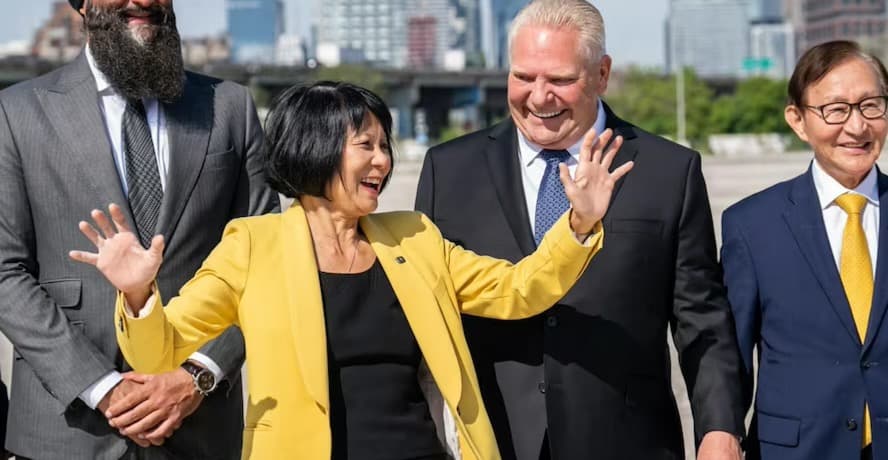
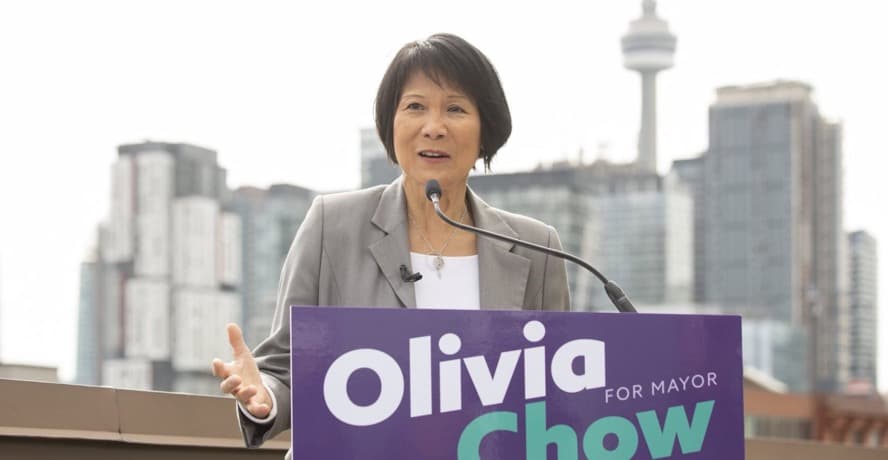
Toronto's mayoral race just got real. The Olivia Chow re-election 2026 campaign officially launched on Sept 9 with a rally at the Danforth Music Hall, and the mayor walks into the contest with the wind at her back. A fresh poll puts her roughly 11 points clear of her nearest challenger, former councillor Brad Bradford, and her team packed the room to make the point. Blue Rodeo frontman Jim Cuddy was on the bill to perform, which tells you the tone Chow is going for. This is an incumbent leaning into a hometown, keep-things-moving pitch rather than a scrappy underdog fight.
Chow's launch: what she said
Chow built her launch around a simple message: the work is not finished. "There is more we can do to make Toronto more affordable, caring and safe," she said in her campaign statement, and that line does a lot of heavy lifting. Affordable, caring and safe maps neatly onto the three things Torontonians complain about most, which are the cost of living, the state of city services, and whether they feel secure walking home. She wants voters to see a second term as continuity, not a gamble.
The venue choice was deliberate too. The Danforth Music Hall is a east-end room with real Toronto history, and pulling in more than a thousand people plus a Blue Rodeo set reads as a show of strength this early. The campaign technically opened months ago, back in the spring, but a launch like this is the unofficial starting gun. It signals to donors, volunteers and rival camps that the incumbent is organized and confident heading into the fall.
What she is running on
Chow leaned hard on her record, pointing to a list of first-term wins:
- Free meals for public school students
- Three straight years of frozen TTC fares
- Longer hours at Toronto public libraries
- More hiring across police, 911 operators, firefighters and paramedics
- A city credit rating upgraded to AA+
- Affordable housing projects moving into construction
On taxes, she is trying to blunt the biggest line of attack against any big-city incumbent. Chow's messaging positions property-tax discipline as a pillar of a second term, though her published platform stops short of a specific numeric cap. In Liaison's polling, 54 per cent of Torontonians say they want increases held to inflation or lower, even if that means some services slow down, so the political read is that whatever number she lands on will need to be small.
The polling: an 11-point lead and what is behind it
The number everyone is talking about comes from Liaison Strategies' Toronto Pulse survey. It puts Chow at 50 per cent among decided and leaning voters, Councillor Brad Bradford at 39, and former federal Conservative cabinet minister Chris Alexander at 10. That is the 11-point gap driving the headlines, and it lines up with earlier surveys through the summer that showed Chow holding a steady, double-digit edge.
What matters is not just the size of the lead but its stability. "The mayoral ballot is stable, but it has settled in a better place for Olivia Chow than for her challengers," said David Valentin, principal at Liaison. In plain terms, the race is not swinging around week to week, and the equilibrium favours the incumbent. That is a tough spot for a challenger, because it means Bradford needs to actively change minds rather than wait for Chow to stumble.
The regional map
The citywide number hides a more interesting story once you break it down by area:
- Downtown: Chow leads big, roughly 60 to 30
- North York: Chow ahead, about 53 to 36
- Scarborough: Chow in front, around 51 to 38
- Etobicoke: Bradford leads here, roughly 56 to 33
That last line is the one Bradford's team will circle. Etobicoke is his base, and the map shows a familiar Toronto split between a downtown-and-inner-suburb coalition backing Chow and a western pocket leaning to her challenger. To win, Bradford has to expand well beyond Etobicoke into the North York and Scarborough wards where Chow is currently comfortable.
The four issues shaping the race
Strip away the rally and the polling and this election comes down to a handful of kitchen-table questions. Housing is at the top of the pile, with affordability and the pace of new construction front of mind for renters and would-be buyers alike. Chow will point to projects breaking ground. Her opponents will argue it is too slow and too expensive.
Transit and taxes are the next two pressure points, and they pull against each other. Chow's frozen TTC fares and inflation-linked tax pledge are meant to show restraint, but Liaison found that around 34 per cent of residents want taxes frozen or cut even if it means fewer services. That is the opening Bradford is aiming for. He has framed his campaign around crime, congestion and affordability, betting that voters who feel squeezed and stuck in traffic want a sharper change than the incumbent is offering. Safety rounds out the four, and here the candidates are fighting over the same ground, with Chow citing more hires and lower 911 wait times while challengers argue residents still do not feel safe enough.
What is next: the road to October 26
The calendar is now the story. Toronto votes on Monday, Oct 26, 2026, from 10 a.m. to 8 p.m., with advance polls open Tuesday Oct 6 through Sunday Oct 11 for anyone who wants to skip the day-of lineups. That gives the campaigns about seven weeks to make their case, and expect the tempo to pick up fast, with debates, neighbourhood canvassing and a steady drip of new polling.
For Chow, the job is to protect a lead rather than chase one, which sounds easier than it is. Frontrunners get all the incoming fire, and a single bad news cycle at City Hall can tighten a race in a hurry. For Bradford and Alexander, the task is clear but steep: change the shape of a contest that has looked stable and Chow-friendly all summer. We will be watching the debates, the ward-level numbers and whether housing or taxes ends up as the defining fight. Between now and Oct 26, that is the race worth following.














Recommended for you
Breaking Down the Elements of a Masterpiece Painting
The Revival of Classical Art in a Digital Age
Must-See Art Exhibitions Around the World This Year
The Revival of Classical Art in a Digital Age